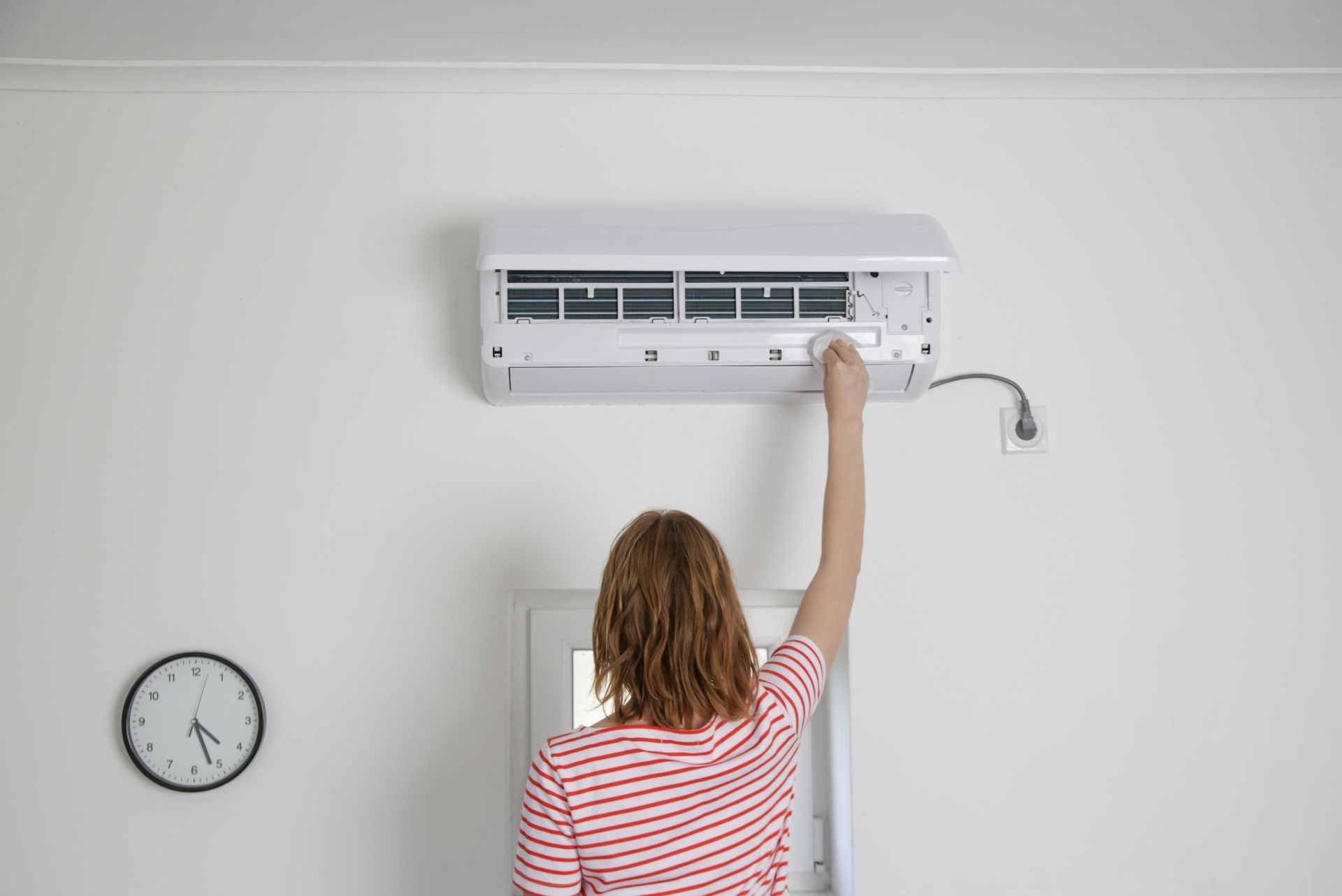
If you've ever walked into your Long Island home on a July afternoon and felt uncomfortable even though the air conditioning was running, humidity is probably the reason. Temperature and humidity are two different things, and your AC alone doesn't always solve both problems.
Why Long Island Summers Feel So Uncomfortable
Long Island's coastal climate brings warm, humid air off the Atlantic throughout the summer months. When outdoor humidity climbs into the 70, 80, and 90 percent range, the air inside your home follows suit unless your system is actively managing moisture. The ideal indoor humidity level is between 30 and 50 percent. Above that, your home feels muggy and sticky even at a comfortable temperature, and you may find yourself setting the thermostat lower and lower without actually feeling better.
What Your AC Does and Doesn't Do for Humidity
Your central air conditioning system removes some moisture from the air as a byproduct of cooling. But it was not designed as a dedicated dehumidification system. There are several situations where it simply cannot keep up.
If your system is oversized for your home, it cools the space quickly and shuts off before removing meaningful moisture. If your ductwork has leaks, humid air from your attic or crawl space gets pulled directly into your living areas. On extremely humid days, even a well-maintained system can struggle to keep indoor levels in a comfortable range.
Signs Your Home Has a Humidity Problem
Watch for condensation on windows or cold surfaces, persistent musty odors, wood floors or furniture that seem to swell during summer, or a general clammy feeling throughout the home regardless of the thermostat setting.
How a Whole-House Dehumidifier Helps
A whole-house dehumidifier integrates directly with your existing HVAC system and ductwork to actively manage moisture levels throughout the entire home. Unlike portable units that treat one room and require constant emptying, a whole-house system runs automatically to maintain your target humidity level. Homes that once felt sticky at 74 degrees often feel genuinely comfortable at 76 or 77 degrees, which also means the AC runs less and energy bills reflect that.
High indoor humidity also creates conditions where mold, mildew, dust mites, and bacteria thrive, making humidity control an indoor air quality issue as much as a comfort one.
If your home has been feeling uncomfortable this summer despite a functioning AC system, call All Weather Heating & Cooling at 631-823-1648. We've been helping Long Island families stay comfortable since 1969 and can evaluate whether a whole-house dehumidifier is the right solution for your home.