
Blog

By James Stone
•
June 12, 2026
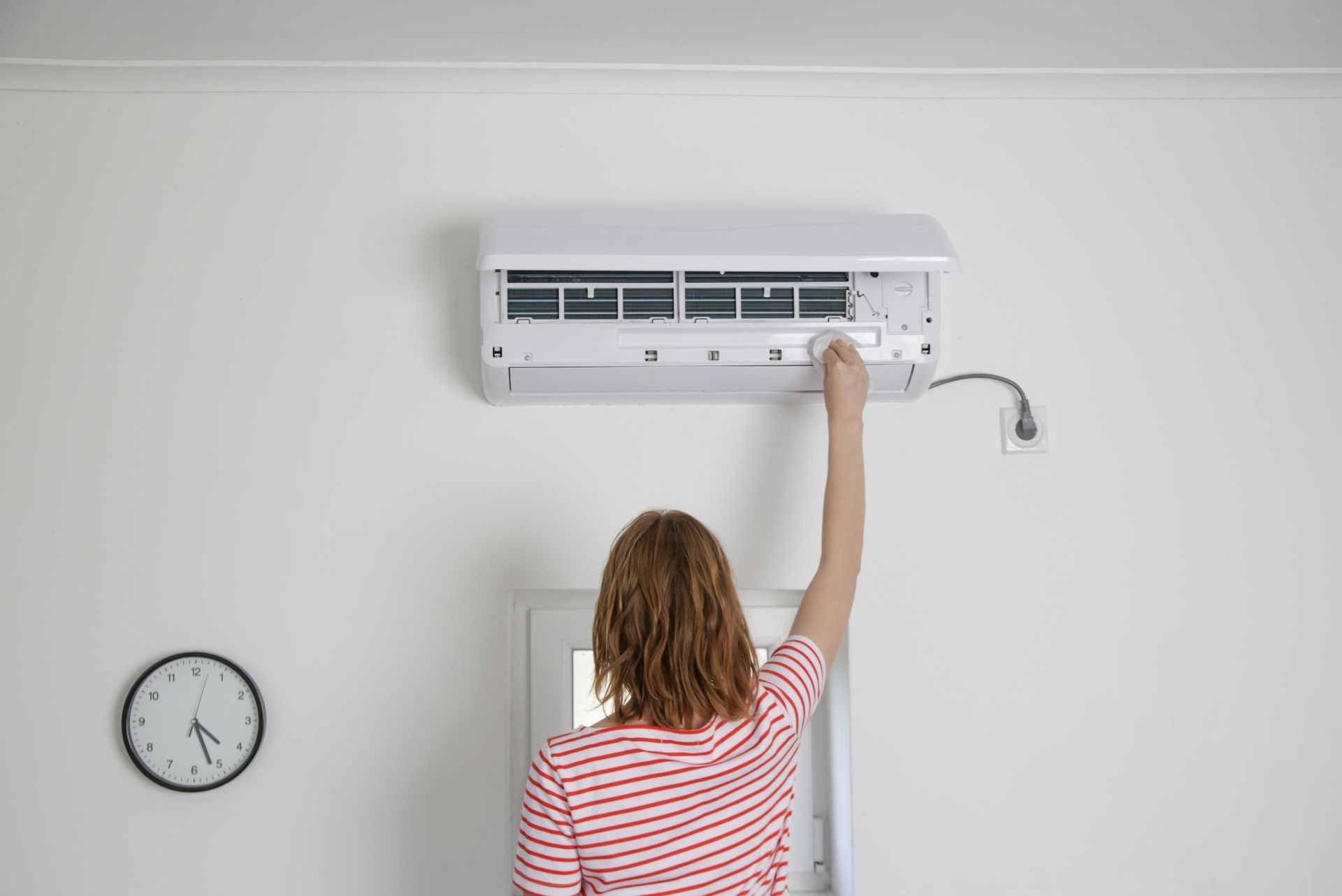
We all have that one room. You know the one, while the rest of your Long Island home stays comfortable all summer, there's always that bedroom, home office, or sunroom that feels like a sauna no matter how low you crank the thermostat. You're not imagining it, and you're definitely not alone in this frustration. After 56 years of serving Nassau and Suffolk County homes, our team at All Weather has walked into countless houses where homeowners point to "that room" and ask, "Can you fix this?" The good news? We absolutely can, and often in just a few hours with a ductless system installation. Why Some Rooms Stay Hot While Others Don't Before we jump into solutions, let's talk about why this happens. Your central air conditioning system was designed to cool your entire house as one zone. But every room has different cooling challenges: Windows facing west get afternoon sun, upper floors naturally run warmer, and additions or converted spaces might not connect properly to your existing ductwork. When one room consistently runs 5-10 degrees warmer than the rest of your house, your central system is working overtime trying to cool that problem area. You end up overcooling the comfortable rooms just to make the hot room bearable. It's inefficient, expensive, and frankly, uncomfortable for everyone. Our technicians see this most often in Massapequa, Babylon, and West Islip homes where additions were built without proper ductwork extensions, or in Farmingdale and Lindenhurst houses where master bedrooms sit above garages. The physics just works against these spaces. How Ductless Systems Target Problem Rooms A ductless system gives you precise control over individual rooms or zones. Instead of forcing your entire house to work around one problem area, you install a dedicated unit that handles just that space. The indoor unit mounts high on the wall and connects to an outdoor compressor through a small conduit, no major ductwork required. What makes this solution particularly effective is the inverter technology in modern ductless systems. Unlike your central AC that turns completely on or off, ductless units adjust their output continuously. When your problem room needs cooling, it gets exactly what it needs without affecting the rest of your house. Our team typically completes single-zone ductless installations in just a few hours. You can literally go from "that hot room" to perfect comfort in the same day. We've installed these systems in everything from Bellmore home offices to Wantagh sunrooms to Seaford master bedrooms, each one solving a specific comfort problem that central air couldn't handle. The Efficiency Advantage You Might Not Expect Here's something that surprises many Long Island homeowners: adding a ductless system often reduces your overall energy bills. When you stop overcooling 80% of your house to make 20% comfortable, your central system works more efficiently. The ductless unit handles the problem room with targeted cooling that uses less energy than forcing conditioned air through long duct runs. Many of our customers in Amityville and Bay Shore report lower electric bills after installing ductless systems, even though they're running an additional unit. The key is right-sized cooling for each space rather than the one-size-fits-all approach of central air. Plus, ductless systems work as heat pumps too. That room that's always too hot in summer might also be too cold in winter, a single ductless unit solves both problems year-round. Rebates Make the Investment Even Smarter Right now, Long Island homeowners can qualify for rebates up to $4,500 on new HVAC installations, including ductless systems. These rebates, combined with available financing through Service Finance, make solving your problem room more affordable than you might think. The investment typically pays for itself through energy savings and increased comfort. When you consider what you spend trying to cool that one difficult room (running your central system longer, using fans, or just avoiding the space entirely) a ductless solution starts making financial sense quickly. Ready to Fix That Problem Room? Don't spend another summer battling with that one room that never stays cool. Our family has been solving Long Island comfort problems since 1969, and we know exactly how to tackle these challenging spaces with ductless systems.  Is your home driving you crazy with uneven cooling? Call All Weather at 631-823-1648 for a free consultation. Our technicians will assess your problem room and show you exactly how a ductless system can transform your comfort — often installed the same day. Don't wait for the next heat wave to wish you'd called sooner.

By James Stone
•
June 3, 2026
If you've ever walked into your Long Island home after being away for a few days and noticed that stale, stuffy smell, you're not alone. Many homeowners assume this is just what happens when windows stay closed, but there's actually a name for what you're experiencing, and a solution that most people have never heard of. Enter the Energy Recovery Ventilator, or ERV, a system that could transform your home's indoor air quality while keeping your energy bills in check. After 56 years of serving Nassau and Suffolk County families, our team at All Weather Heating & Cooling has seen firsthand how proper ventilation can make the difference between a home that feels fresh and comfortable versus one that always seems stuffy. Let's break down what an ERV actually does and whether your Long Island home might benefit from one. What Exactly Is an Energy Recovery Ventilator? An Energy Recovery Ventilator is essentially a smart ventilation system that brings fresh outdoor air into your home while exhausting stale indoor air, all without wasting the energy you've already spent heating or cooling your space. Think of it as your home's breathing system with a brain. Here's how it works: The ERV has two separate airstreams that pass through a heat exchanger core. As warm, stale air leaves your home, it transfers its heat (and humidity in summer) to the cool, fresh air coming in. This means you get fresh air without losing the comfortable temperature you've already paid to create. In winter, incoming cold air gets warmed by outgoing heated air. In summer, incoming hot air gets cooled by outgoing air-conditioned air. The result? Your home gets a constant supply of fresh air without the energy penalty of simply opening windows or running exhaust fans continuously. Signs Your Long Island Home Needs Better Ventilation Modern Long Island homes are built to be energy efficient, which often means they're sealed tight. While this helps with heating and cooling costs, it can create ventilation challenges that an Energy Recovery Ventilator can solve. You might benefit from an ERV if you notice persistent odors that seem to linger, especially cooking smells or pet odors that just won't clear out. Excessive humidity is another telltale sign, if you're dealing with condensation on windows during winter or your home feels muggy even when the AC is running, poor ventilation could be the culprit. Many of our clients in Massapequa, West Islip, and throughout Nassau County have also mentioned feeling like their homes feel "stuffy" even when the HVAC system is running properly. If you find yourself cracking windows even in winter just to get some fresh air, or if family members experience more allergies or respiratory issues at home than elsewhere, inadequate ventilation might be contributing to these problems. How an ERV Improves Your Home's Air Quality An Energy Recovery Ventilator addresses indoor air quality in ways that your standard heating and cooling system simply can't. While your furnace or heat pump circulates and conditions the air that's already in your home, an ERV actually replaces stale indoor air with fresh outdoor air. This continuous air exchange helps remove indoor pollutants that build up over time, everything from cooking odors and pet dander to volatile organic compounds (VOCs) from household products and materials. For families dealing with allergies or asthma, this constant influx of filtered fresh air can make a noticeable difference in comfort levels. The humidity control aspect is particularly valuable here on Long Island, where our climate can swing from dry winters to humid summers. An ERV helps maintain more consistent indoor humidity levels year-round, which not only improves comfort but also helps protect your home's structure and furnishings from moisture-related damage. Energy Efficiency Benefits for Long Island Homeowners One of the biggest advantages of an Energy Recovery Ventilator is that it provides fresh air without the energy waste of traditional ventilation methods. When you crack windows or run exhaust fans without replacement air systems, you're essentially throwing away the energy you've spent heating or cooling your home. Our technicians regularly see homes in Babylon, Farmingdale, and surrounding areas where homeowners are frustrated by high energy bills despite having efficient HVAC systems. Poor ventilation often forces these systems to work harder than they should. An ERV can actually reduce the load on your heating and cooling equipment by pre-conditioning incoming fresh air. In Long Island's climate, this pre-conditioning effect can be substantial. During our cold winters, an ERV can recover up to 80% of the heat from outgoing air to warm incoming fresh air. In summer, it works in reverse, using outgoing cool air to pre-cool hot incoming air. This recovered energy translates directly to lower utility bills. Is an ERV Right for Your Long Island Home? Not every home needs an Energy Recovery Ventilator, but many modern Long Island homes can benefit significantly from one. Homes built or renovated for energy efficiency are prime candidates, especially if you've noticed any of the air quality issues we mentioned earlier. Larger homes, homes with multiple family members, or homes where people spend a lot of time indoors often see the most dramatic improvements. If you do a lot of cooking, have pets, or anyone in the family has respiratory sensitivities, an ERV can make your home noticeably more comfortable. The investment typically pays for itself through energy savings over time, especially when combined with other indoor air quality improvements. Our family has been helping Long Island homeowners create comfortable, healthy indoor environments since 1969, and we've seen how proper ventilation can transform a home's livability. Ready to Breathe Easier in Your Long Island Home? If you're tired of dealing with stale, stuffy air or wondering whether an Energy Recovery Ventilator could improve your family's comfort and health, our team is here to help. We'll evaluate your home's specific ventilation needs and explain how an ERV could fit into your overall indoor air quality strategy.  Don't spend another season dealing with poor indoor air quality. Contact All Weather Heating & Cooling at 631-823-1648 or visit allweathertemp.com to schedule a consultation. Let our third-generation family business help you create the fresh, comfortable indoor environment your Long Island home deserves.

By James Stone
•
May 28, 2026
Very June, our team at All Weather Heating & Cooling gets the same worried calls from Long Island homeowners: "My energy bill just doubled! Is my AC broken?" After 56 years of keeping Nassau and Suffolk County homes comfortable, we've seen this pattern repeat thousands of times. The good news? Most of these bill spikes are preventable. Here's what's really happening to your energy costs when Long Island temperatures climb, and what you can do about it. Your AC System Hasn't Run in 6 Months Think about it: Your air conditioning system has been sitting dormant since last September. When you fire it up for the first time on that surprise 85-degree day in May, it's working harder than it should. Dust has settled on the coils, filters are clogged from winter, and refrigerant levels may have dropped. A system running at 70% efficiency burns through electricity trying to keep your Massapequa or West Babylon home cool. Our technicians see this during every spring tune-up season. Clean coils and fresh filters can improve efficiency by 15-20%, which translates directly to lower bills all summer long. Your Thermostat Habits Change Overnight Long Island homeowners go from barely touching their thermostats in April to constantly adjusting them in June. We get it, nobody wants to walk into a stuffy house after work. But setting your thermostat to 68 degrees when it's 90 outside forces your system to work overtime. The magic number? 78 degrees when you're home, 82 when you're away. Every degree below 78 increases your cooling costs by about 8%. For a typical Babylon or Farmingdale home, that's $20-40 extra per month just from thermostat settings. Hidden Duct Leaks Become Expensive During mild weather, small duct leaks don't matter much. But when your AC is running 8-10 hours a day, those leaks become money pits. Conditioned air escapes into your attic or crawl space instead of cooling your living areas. Your system runs longer to compensate, and your bills climb. Our team finds duct leaks in about 60% of Long Island homes we service. Sealing these leaks typically reduces cooling costs by 15-25%. Often paying for itself within a single summer season. Your System Isn't Right-Sized for Summer Demands Many Long Island homes have heating systems that handle winter perfectly but struggle with summer cooling loads. If your system was installed years ago or sized incorrectly, it runs constantly during heat waves, never quite catching up. Constant operation means constant energy consumption. This is especially common in older Lindenhurst, Merrick, and Seaford homes where additions were built without upgrading the HVAC system. The solution might be zone control, a larger system, or strategic upgrades, but first, you need to know what you're dealing with. Simple Steps to Control Those Summer Bills Start with the basics: change your filter monthly during cooling season, keep blinds closed during peak sun hours, and use ceiling fans to circulate air. These small changes can reduce your cooling load by 10-15%. But the biggest impact comes from professional maintenance. Our maintenance membership starts at just $160 per year and includes the spring tune-up that prevents most of these efficiency problems. Members typically see 15-30% lower summer energy bills – more than enough to cover the membership cost. Don't Wait for the Next Heat Wave  The first hot day on Long Island always comes faster than anyone expects, and by then, every HVAC company is booked solid. Schedule your AC tune-up now, while our technicians can give your system the attention it deserves. If your energy bills have been creeping up year after year, it might be time to consider an upgrade. Long Island homeowners can save up to $4,500 on new HVAC installations right now through available rebates, and today's systems are dramatically more efficient than units installed even five years ago. Ready to take control of your summer energy bills? Call our family team at 631-823-1648 or visit allweathertemp.com . We've been keeping Long Island comfortable since 1969 – let us help you stay cool without breaking the bank this summer.

By James Stone
•
May 20, 2026
The last thing any Long Island homeowner wants is their air conditioning breaking down during a heat wave. But when your system starts showing signs of trouble, you're faced with a crucial question: should you repair it one more time, or is it time to invest in a replacement? As a third-generation family business that's been keeping Long Island comfortable since 1969, our team at All Weather Heating & Cooling has helped countless homeowners in Nassau and Suffolk Counties make this exact decision. We believe in giving you honest guidance — not pushing you toward the most expensive option, but helping you make the choice that's truly best for your home and budget. Consider Your System's Age The age of your air conditioning system is one of the most important factors in the repair vs. replace decision. Most central air systems have a lifespan of 15-20 years with proper maintenance. If your system is approaching or has passed this age range, replacement often makes more financial sense than continued repairs. However, age isn't everything. A well-maintained 18-year-old system might still have life left, while a neglected 10-year-old unit could be ready for retirement. Our technicians look at the overall condition, not just the calendar, when making recommendations to homeowners throughout Massapequa, Bay Shore, Babylon, and surrounding communities. Look at Your Repair History Take a moment to think about how often you've called for AC repairs in recent years. If you're calling for service multiple times each cooling season, or if repair costs are adding up to more than half the price of a new system, replacement typically becomes the smarter investment. We call this the "repair treadmill", when homeowners find themselves fixing one component after another, with each repair buying just a little more time before the next breakdown. Our team has seen this pattern countless times across Long Island, and we'll always be honest about when you're better off investing in a new, reliable system. Energy Efficiency Matters More Than Ever Older air conditioning systems often have SEER ratings (Seasonal Energy Efficiency Ratio) of 8-10, while today's systems start at 14-16 SEER and can go much higher. This difference translates to significant savings on your energy bills, especially during Long Island's hot summers. If your current system has a SEER rating below 13, upgrading to a new high-efficiency system can cut your cooling costs by 30-50%. When you factor in available rebates (Long Island homeowners can qualify for up to $4,500 in rebates on new installations) the energy savings often make replacement the clear winner over continued repairs. The Cost Threshold Rule Here's a practical guideline our technicians share with homeowners: if a single repair costs more than 50% of what a replacement system would cost, or if your total repair costs over two years exceed 50% of replacement cost, it's time to consider a new system. For example, if you need a $1,500 compressor repair on a system that's 12+ years old, and a new system would cost $5,000, you're at that 30% threshold where replacement starts making financial sense, especially when you factor in the improved efficiency and reliability of a new system. When Repair Makes Sense We're not here to sell you something you don't need. Sometimes repair is absolutely the right choice. If your system is less than 10 years old, well-maintained, and needs a relatively minor repair (like a capacitor, contactor, or refrigerant top-off), fixing it is usually the smart move. Similarly, if you're planning to move within the next few years, a repair that gets you through might be more practical than investing in a new system you won't be around to fully benefit from. Making the Right Decision for Your Home The repair vs. replacement decision isn't just about numbers, it's about your comfort, your budget, and your peace of mind. Our team takes the time to explain your options clearly, show you the math, and help you make the choice that's right for your specific situation. We've been serving the same Long Island communities for over five decades, and our reputation depends on giving honest, helpful advice. Whether that means a simple repair to keep you comfortable or helping you take advantage of current rebates on a new system, we're here to guide you through the decision. Don't wait until your system fails completely to explore your options. If your air conditioning has been struggling, our experienced technicians can assess your system and give you a clear picture of your choices. Call All Weather Heating & Cooling at 631-823-1648 to schedule an evaluation, or visit us at allweathertemp.com to learn more about current rebates and financing options.